A reported $10 billion Anthropic compute agreement shows how hydropower, bank guarantees, and data center finance are becoming central to frontier AI expansion.
A reported $10 billion capacity commitment shows how frontier model economics increasingly depend on renewable power, bank guarantees, and long duration infrastructure finance.
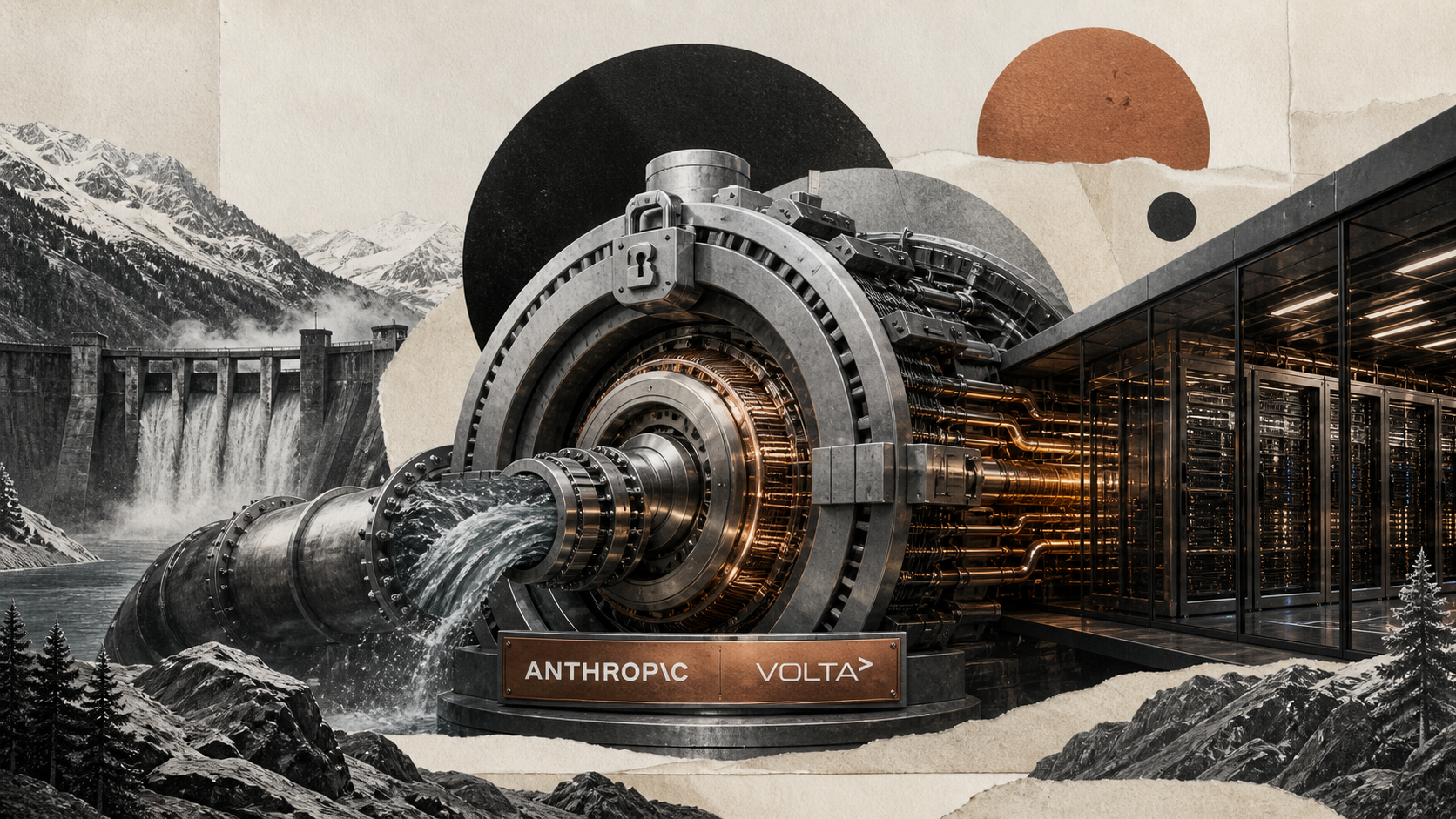
AI compute scarcity is becoming an infrastructure finance problem. A reported agreement involving Anthropic, Volta Infra Holdings, and Bitdeer connects frontier model demand with Norwegian hydropower, bank credit, and purpose built data center capacity.
The customer attribution remains unconfirmed. Volta identified its counterparty only as a leading AI laboratory, while Bloomberg linked the agreement to Anthropic through unnamed sources. Anthropic, Volta, and Bitdeer have not publicly confirmed that relationship. Bitdeer has disclosed that its Tydal subsidiary signed a conditional colocation lease, but its announcement does not identify the ultimate computing customer.
The reported economics nevertheless show how valuable secured power capacity has become. Bitdeer could receive approximately $4.7 billion during the initial sixteen year term and as much as $8 billion if an extension is exercised, according to the source material. The company expects high operating margins once revenue begins, but still requires around $500 million to complete four data halls. Construction timing, lease effectiveness, equipment delivery, and customer acceptance therefore remain central risks.
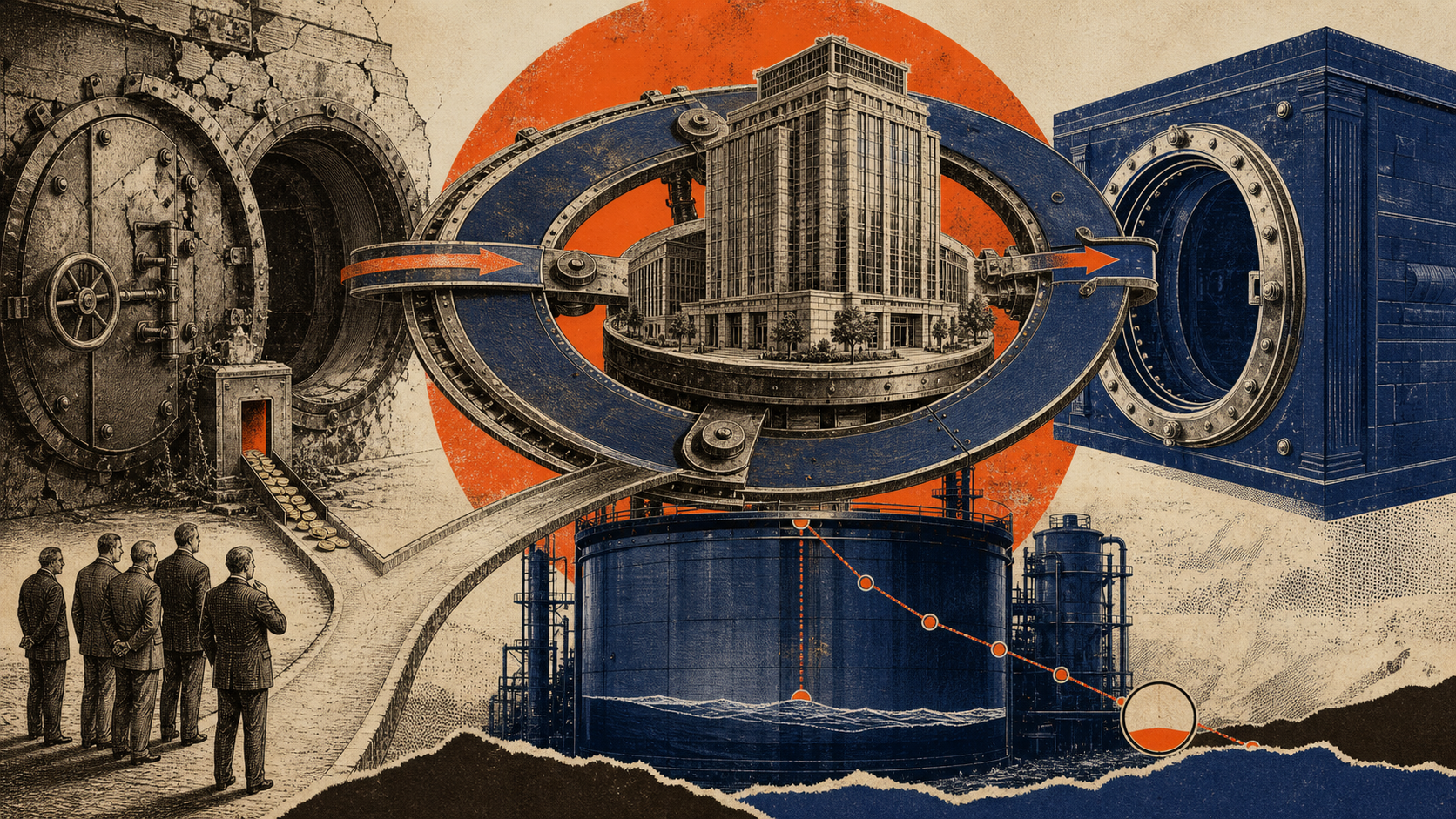
Financing structure is the more significant development. Approximately $1.3 billion in standby letters of credit reportedly support Volta’s obligations to Bitdeer, converting a young infrastructure company’s payment promise into a more bankable revenue stream. That support can help finance construction without placing the entire project directly on the AI laboratory’s balance sheet. It also introduces exposure to contract conditions, guarantor quality, renewal assumptions, and customer concentration.
Volta itself represents a new category of intermediary between technology companies and infrastructure owners. The company reportedly raised $300 million from investors including Nvidia, Andreessen Horowitz, and Altimeter at a $2.4 billion valuation, while pursuing a broader infrastructure program with Azora. Former Brookfield executives provide an additional connection to conventional infrastructure finance. For allocators, the important question is whether such platforms can match long dated liabilities with customers whose technology and capacity requirements may change much faster than the underlying real estate.
Norway offers unusually attractive physical economics. Official energy data indicate that hydropower accounts for approximately 88 percent of normal annual Norwegian electricity production, providing a large renewable generation base. The colder climate can also reduce cooling demand, allowing more site capacity to support computing equipment rather than thermal management.
Those advantages are not without constraints. The International Energy Agency has warned that electricity demand from data centers is adding pressure to Norway’s grid, while the country’s dependence on hydropower creates sensitivity to precipitation and water inflows. Grid connections, regional power prices, permitting, and political attitudes toward large industrial users could therefore influence project returns as much as headline electricity costs.
The planned computing stack reportedly includes Nvidia’s Vera Rubin platform supplied through Dell and supported by high capacity liquid cooling. This expands the AI investment chain beyond semiconductor designers. Data center operators, cooling specialists, utilities, engineering contractors, project lenders, and owners of secured power sites can all capture part of the economics. Former Bitcoin mining facilities may be especially relevant because many already possess grid access and power infrastructure, although conversion costs and service requirements remain substantial.
Allocators should monitor whether the Tydal lease becomes fully effective, the identity and credit quality of the ultimate customer, construction milestones, remaining capital requirements, power availability, cooling performance, and hardware delivery. The strategic asset is no longer the processor alone. It is the financed combination of power, land, cooling, network access, and contracted demand.