Apple’s reported CXMT chip tests reveal how AI demand, Chinese industrial policy, and supply security are reshaping technology procurement and portfolio risk.
Reported trials of CXMT memory across iPhones and MacBooks show how artificial intelligence demand, industrial policy, and supply security are reshaping global technology procurement.
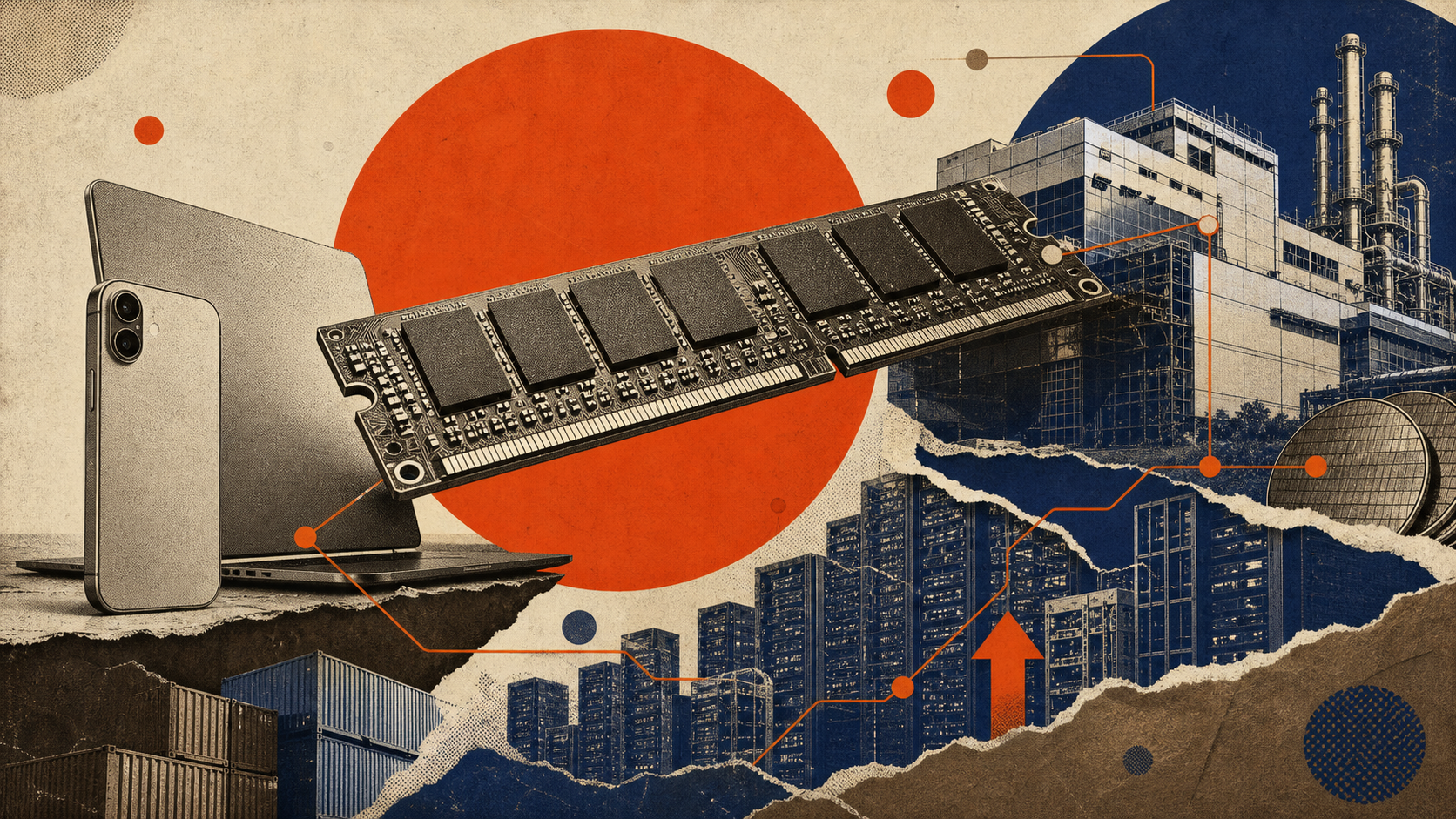
Apple’s reported evaluation of memory chips from China’s CXMT is more than a component sourcing exercise. It signals how the artificial intelligence investment cycle is forcing even the largest technology buyers to reconsider supplier concentration, geographic exposure, and the price of resilience.
The Wall Street Journal reported that Apple has tested CXMT components across products including iPhones and MacBooks, following early discussions about using the chips in some devices sold in China. Reuters said it could not independently verify the report, while Apple and CXMT did not respond to requests for comment. That leaves the commercial outcome uncertain, but the direction matters for allocators: pressure on memory availability is beginning to influence procurement decisions across the consumer hardware ecosystem.
Artificial intelligence infrastructure is changing the economics of the memory cycle. As data center investment expands demand for server memory and encourages producers to direct capital toward higher value products, capacity allocation can tighten in other categories even when final markets differ. Large hardware buyers may respond with broader supplier lists, longer purchasing commitments, or higher inventories. Each response can protect production continuity, but each also ties up capital and can transmit component inflation into margins or device pricing.
A possible China focused arrangement would carry a second layer of significance. Local sourcing could shorten supply routes and improve access to components for devices sold inside the country, yet it would also place procurement decisions closer to the fault line between United States technology controls and Chinese industrial policy. For global investors, this is not simply a question of which producer wins an order. It is a test of whether multinational companies can build regional supply systems without increasing compliance costs, operational duplication, and political risk.
Capacity expansion will determine whether diversification becomes durable. Reuters previously reported that CXMT was considering a second memory plant in Beijing, while the Journal said HP and Acer had begun using CXMT chips in computers sold outside the United States to ease shortages. Qualification by large international customers could accelerate manufacturing learning and strengthen China’s domestic semiconductor ecosystem. It could also invite closer scrutiny of technology access, production yields, and the degree to which new capacity can compete on cost and reliability through a full cycle.
The cross asset implications extend beyond one company. For Apple shareholders, a wider supplier base could reduce disruption risk, although it would not guarantee lower input costs. For memory producers and semiconductor equipment suppliers, sustained scarcity may support pricing and capital expenditure, while an aggressive capacity response could eventually weaken returns. Credit investors should watch whether expansion is funded by operating cash flow, policy support, or additional leverage. Currency movements, tariffs, and regulatory costs will influence which apparent sourcing savings reach the income statement.
The macro signal is narrower but still relevant. A memory shortage alone is unlikely to change a central bank reaction function, yet persistent component pressure can reinforce goods price stickiness and complicate the final stage of disinflation. At the same time, the scale of artificial intelligence investment is supporting an industrial capital cycle that may remain resilient even as restrictive rates weigh on other sectors. Portfolio construction should therefore distinguish between companies selling scarcity, companies paying for it, and companies spending heavily to remove it.